Bringing electricity to remote
areas anywhere in the world.





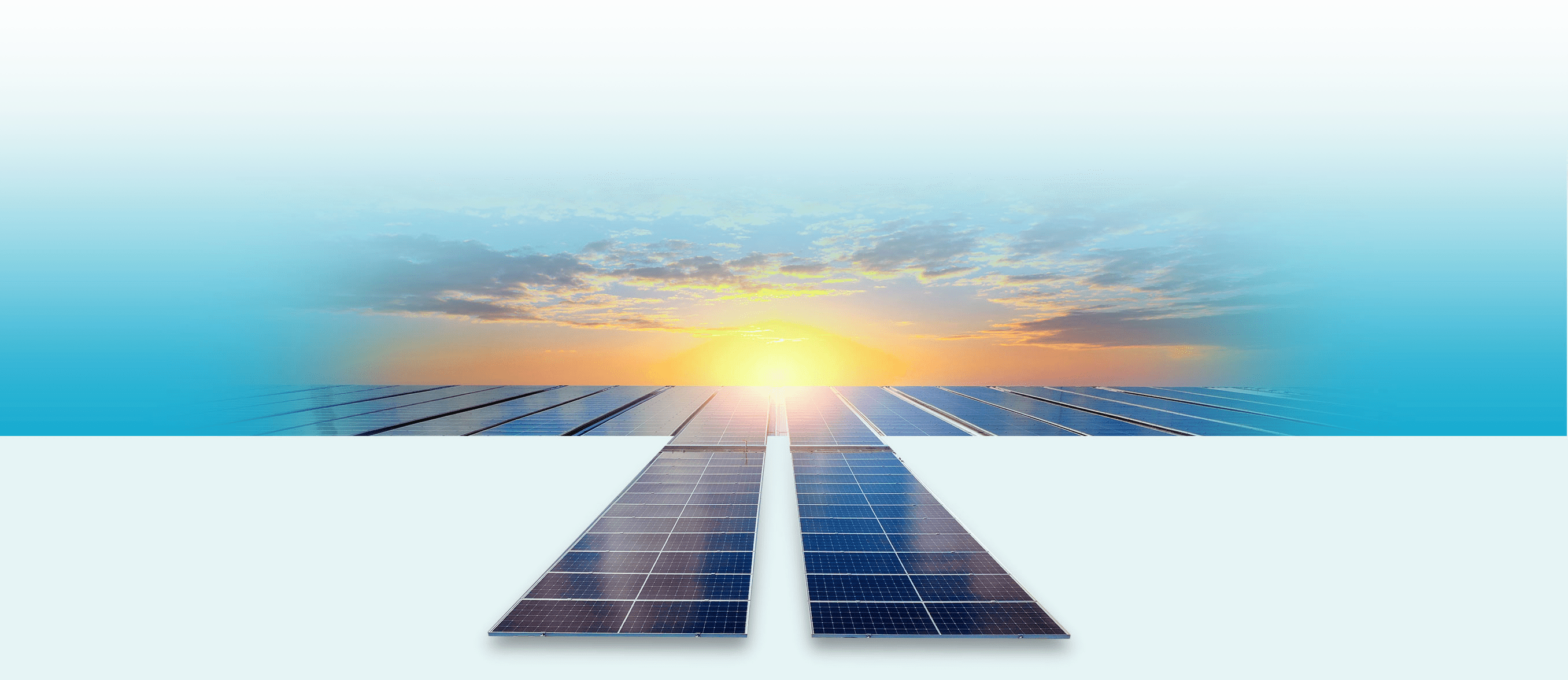
The cost of electricity in urban areas is typically very affordable due to the economies of scale of the existing infrastructure and the proximity to power plants. However, up to …% of the world does not have access to the grid. These areas often have to rely on diesel generators to provide for basic electricity needs. Not only is it very environmentally damaging, it is also a very complex process of transportation, handling, and storage. All of these increase the costs for the consumers.
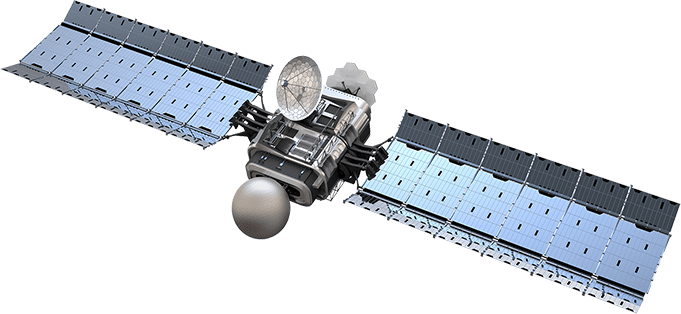
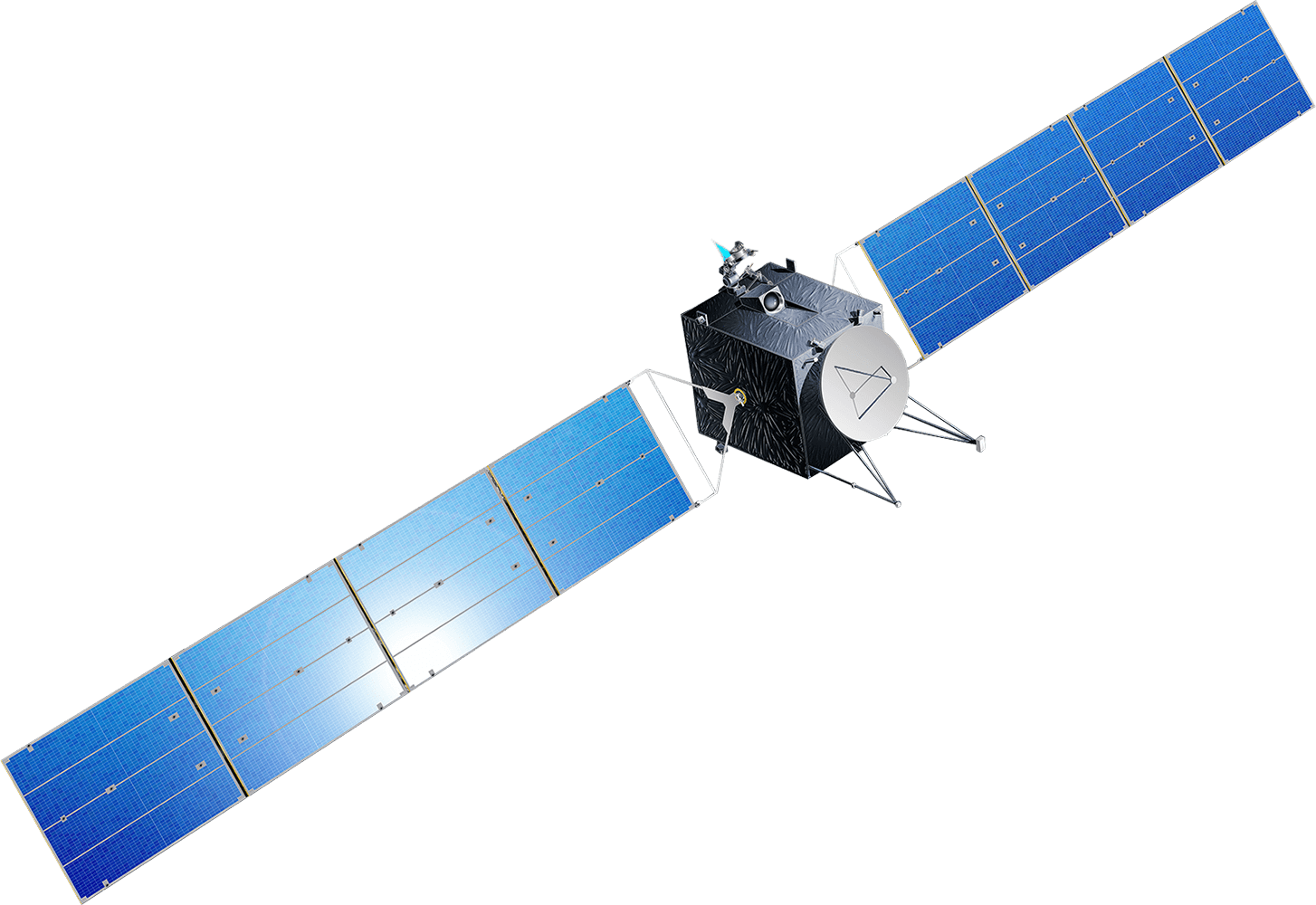
Wireless energy transfer from space. We are developing the world’s first constellation of satellites in Low-Earth Orbit capable of harnessing the limitless power of the Sun, and beaming the energy to any place on the ground. We are reimagining the concept of solar power, from an intermittent source, to a baseload power generation tool. Thanks to our unique approach, we will be able to serve any market, no matter the size, or constraints. All we need is a clear line of sight to the sky and a place to put down receivers. Depending on the electricity needs, the receivers might take up an area of a tennis field, up to an area of a football pitch.


1.


2.

3.

4.

5.

At Celestia, we understand the dangers of
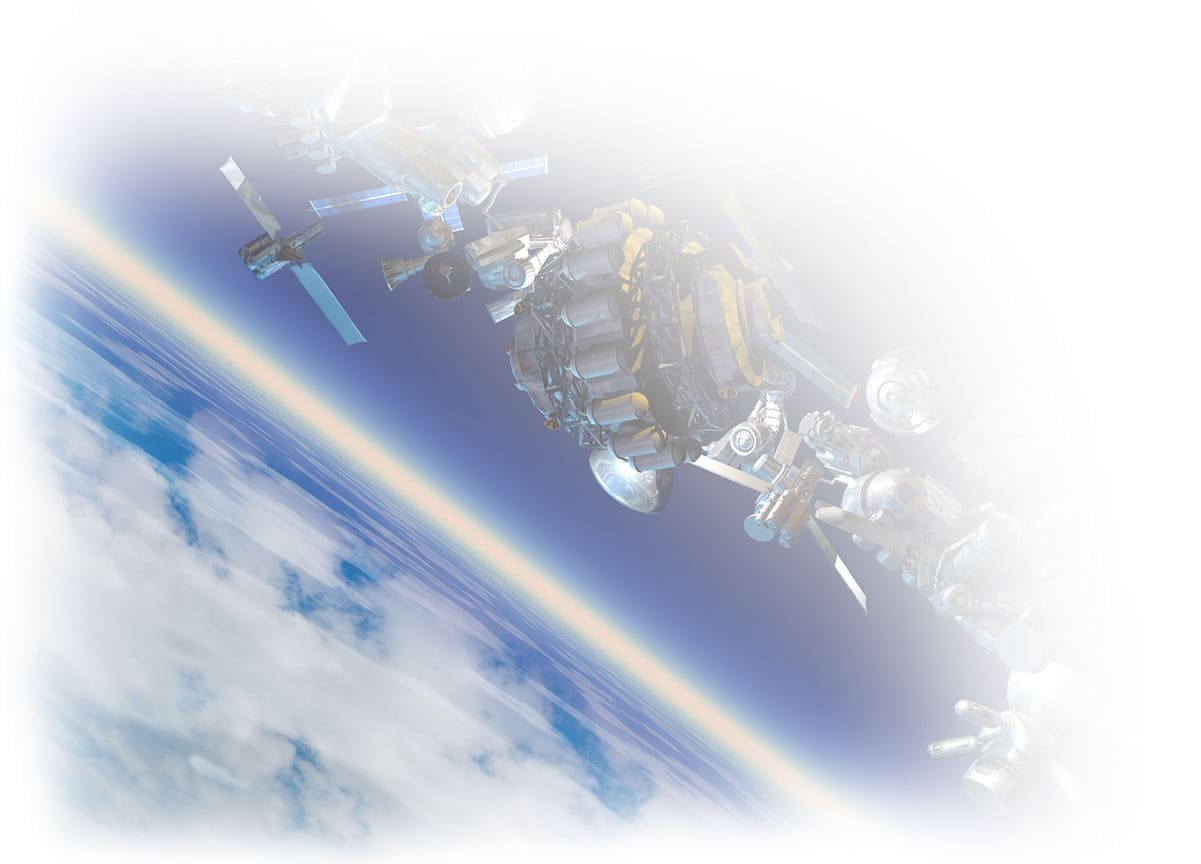
Low-Earth Orbit overpopulation and the risks
associated with it. That is why we will be committed from our first launch to maintain
debris neutrality. This means that we will directly (removal mission) or indirectly
(investment) remove an equivalent mass from LEO as is the mass of our satellite.
For example, if we launch a 300kg satellite, we will remove 300kg of debris or dead
satellites. Being responsible and contributing towards the safe and sustainable
exploration of outer space is one of our core values.
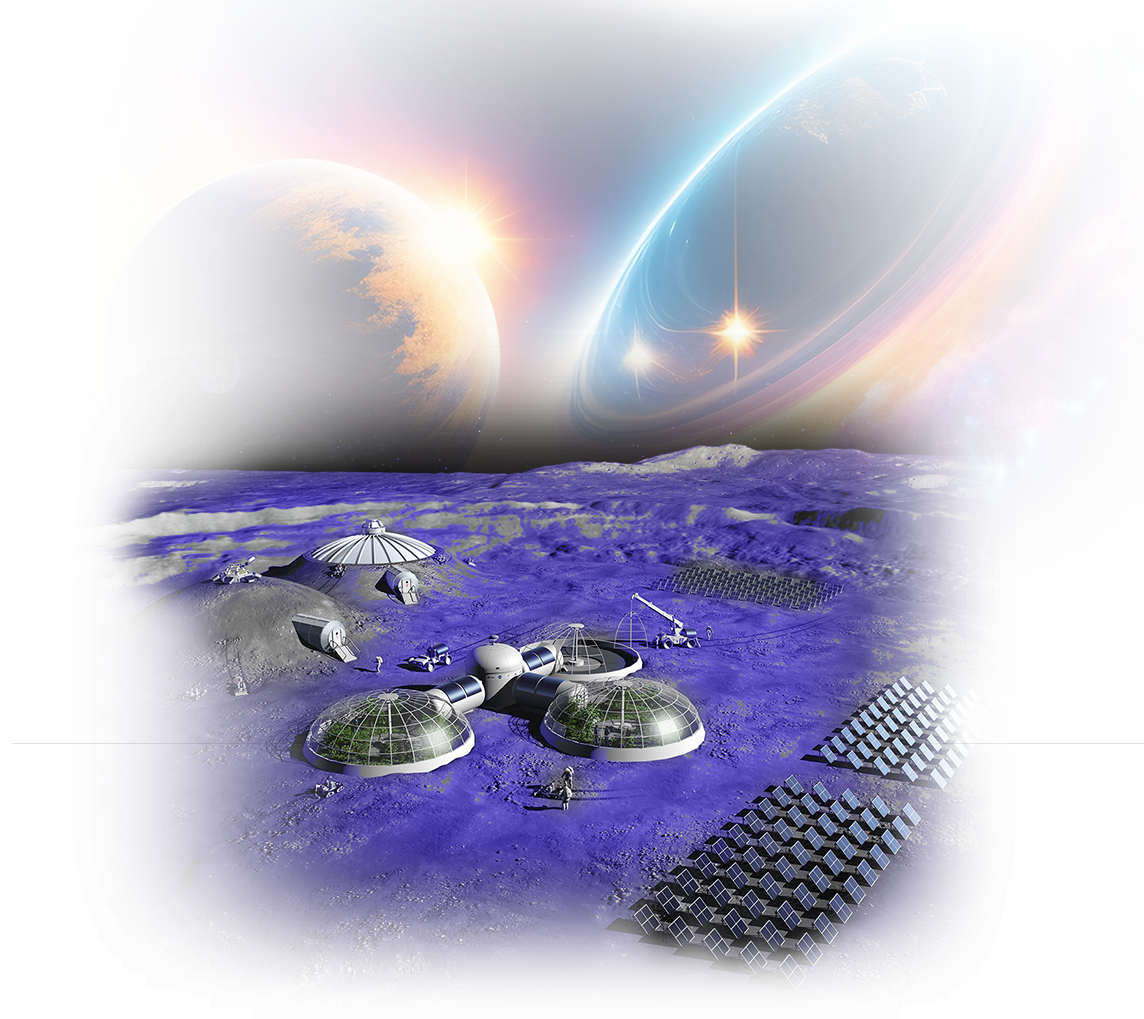
Ultimately, our goal is to be the main driving force behind humanity’s expansion into space by providing wireless power to human colonies on the Moon, on Mars, and even powering robotic exploration missions to the outer Solar System.